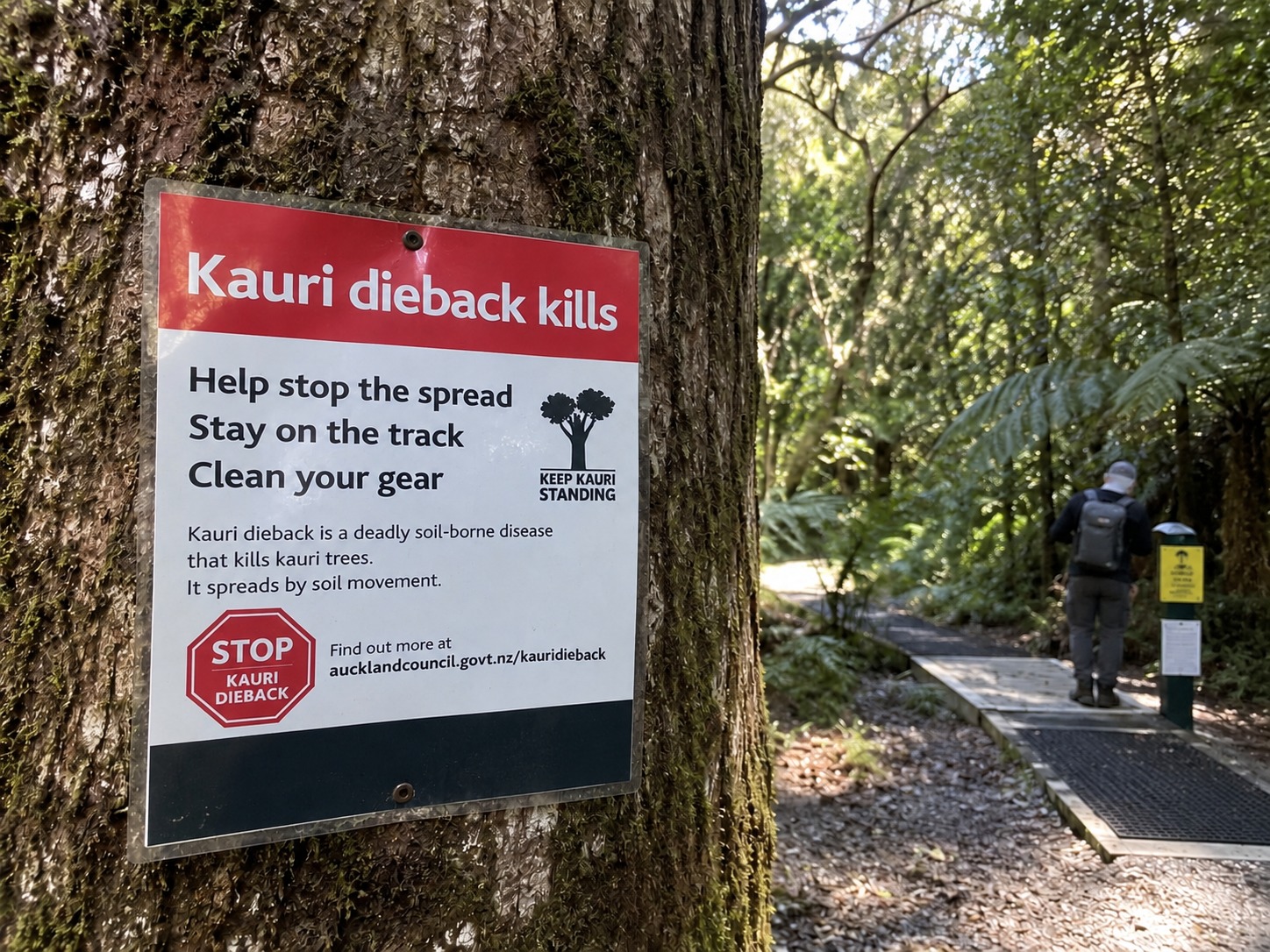
Auckland Kauri Dieback Tree Work
Assessment and hygiene-compliant work for kauri showing dieback symptoms — with consent and reporting handled the way kauri require.
Kauri Dieback in Auckland
Kauri dieback is caused by the soil-borne pathogen Phytophthora agathidicida, and it travels in soil — on boots, tyres, tools and machinery — which makes kauri dieback tree work in Auckland the one job where how a crew moves around the site matters as much as what they cut. The symptoms owners tend to notice first are a thinning, yellowing canopy, dead branches through the upper crown, and a gum bleed weeping from the lower trunk or root collar. Those signs warrant assessment rather than an immediate removal: a stressed kauri is not automatically an infected one, and a confirmed diagnosis needs a soil test, not a look from the driveway. Kauri also carry strong protection here — they are widely scheduled or otherwise protected under the Auckland Unitary Plan, and removal or significant work generally requires council consent, so we start with what the rules actually allow on your specific property. Where work does go ahead we follow kauri hygiene practice: cleaning and disinfecting footwear, tools and machinery before entering and again on leaving, staying off the root zone wherever the job allows, and containing arisings on site rather than carting potentially infected material to the next address.
- Symptom assessment — canopy thinning, dieback and gum bleed
- Hygiene practice: footwear, tools and machinery cleaned on and off site
- Root zone protected and soil movement kept to a minimum
- Unitary Plan protection and consent checked before anything starts
- Guidance on soil testing and reporting a suspected infection
- Deadwooding and hazard reduction as an alternative to removal
- Arisings contained on site to avoid moving infected soil
- Straight advice when the right call is to leave the tree alone
Get a Free Estimate
Tell us the height and how close it sits to the house — most palms can be quoted from a photo.
Our Tree Services Across Auckland
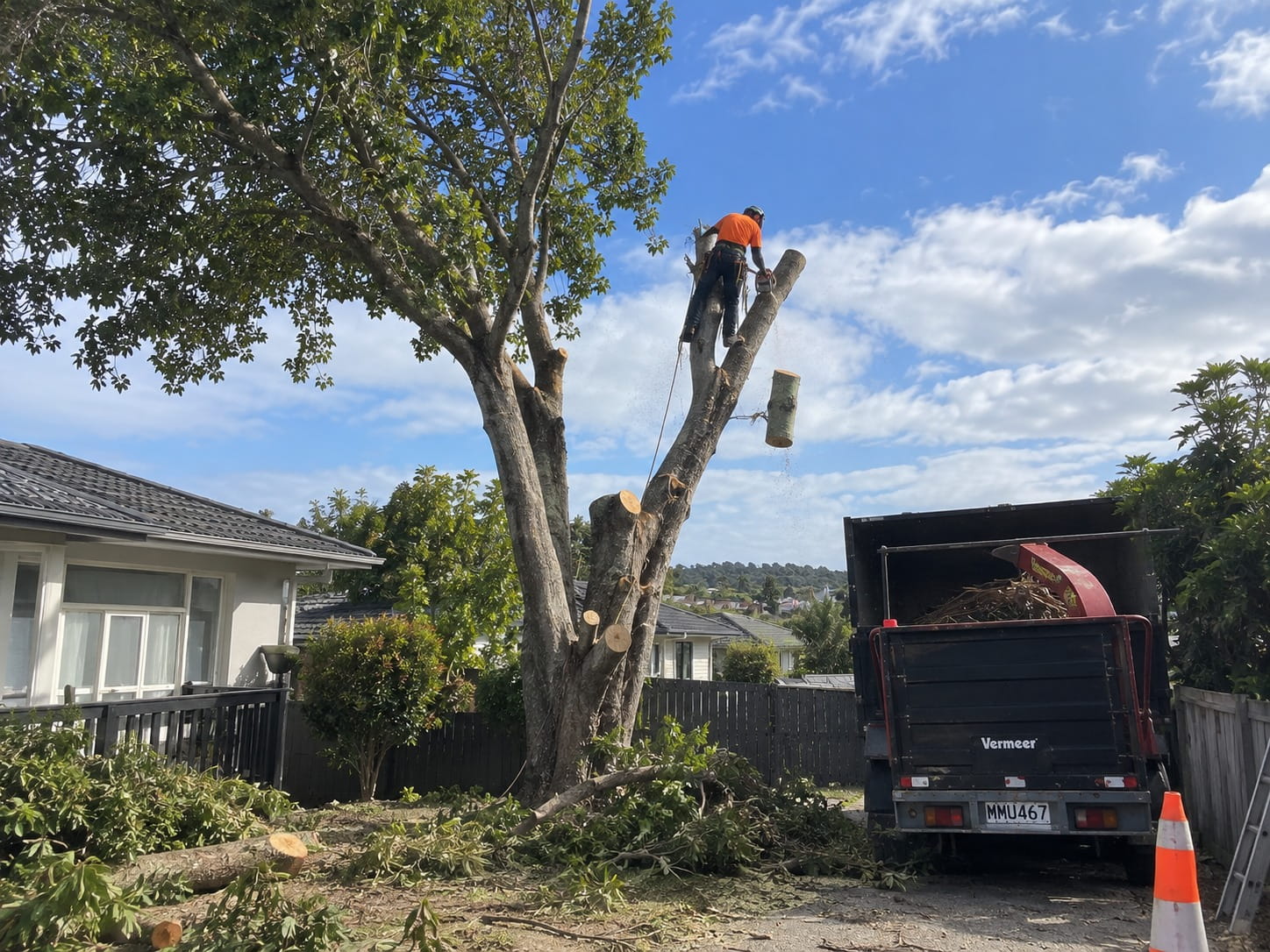 Removal
 Tree Removal
Natives, exotics and overgrown shelter trees taken down in controlled sections — with consent checked before we quote, not after.
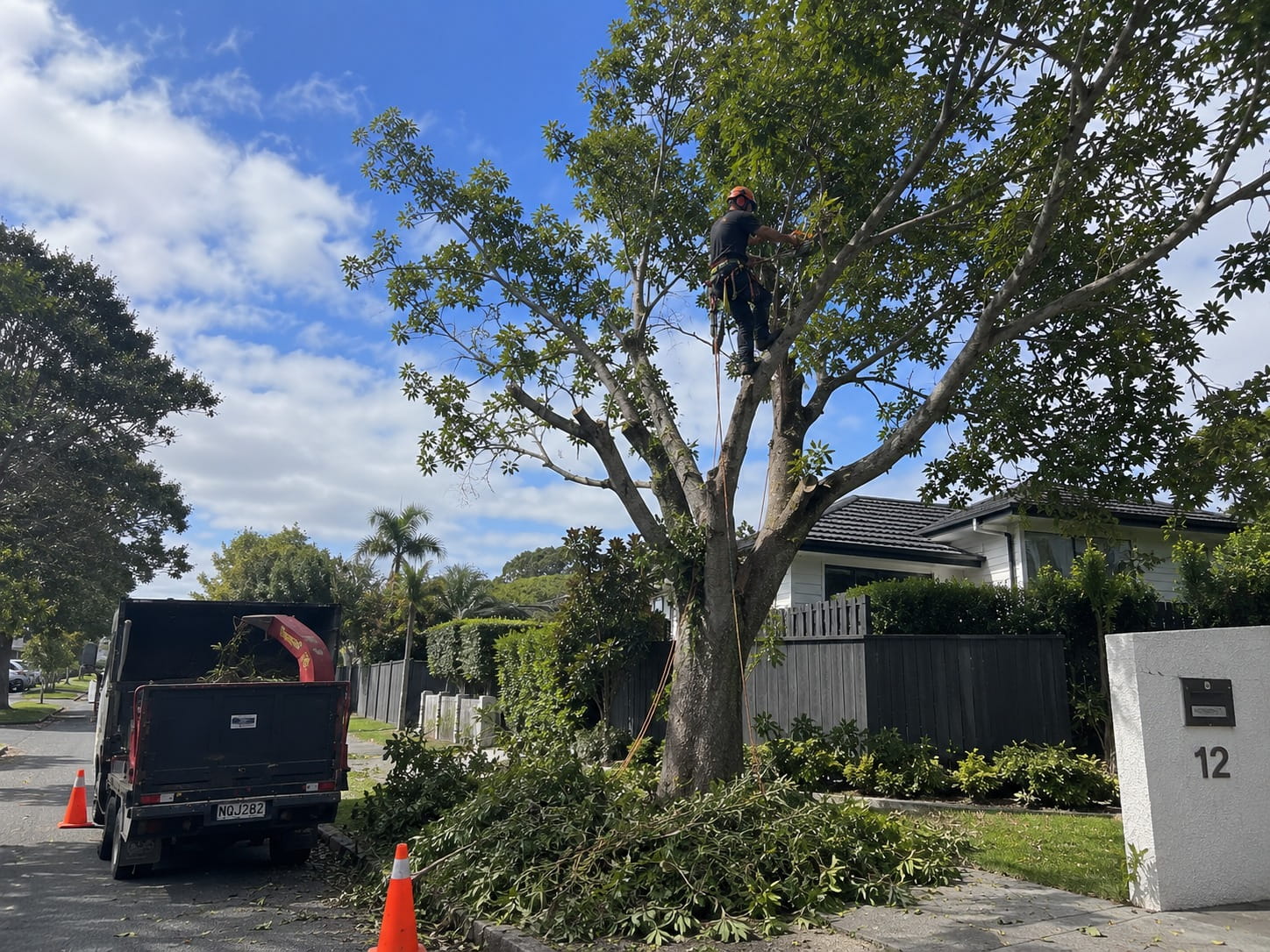 Trimming
 Tree Trimming
Crown thinning, lifting and reduction shaped to how the tree actually grows — not topping, which only makes the next problem worse.
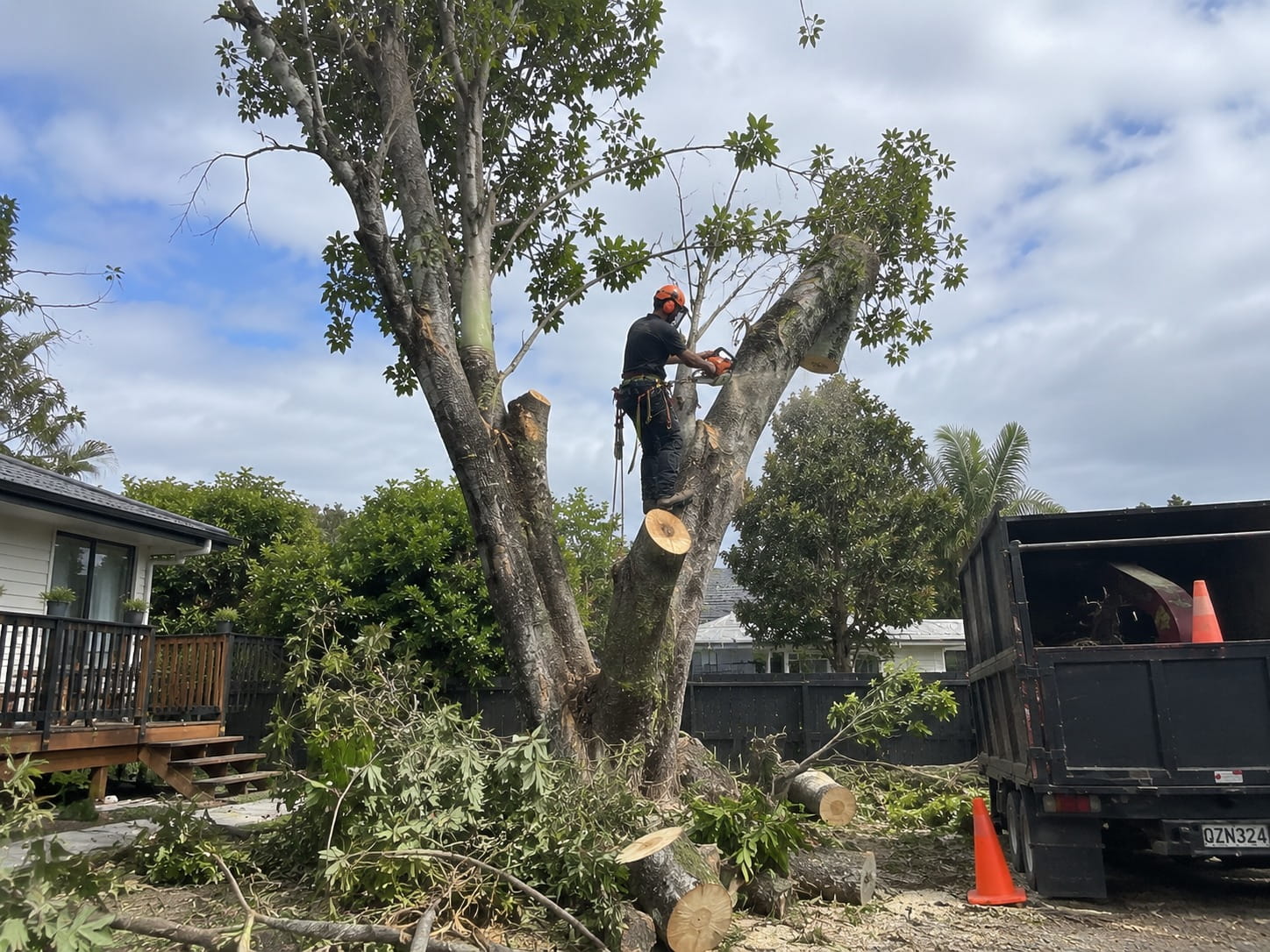 Branch Cutting
 Branch Cutting
Overhanging limbs, roof and gutter clearance and boundary overhang dealt with on their own — no need to lose the whole tree.
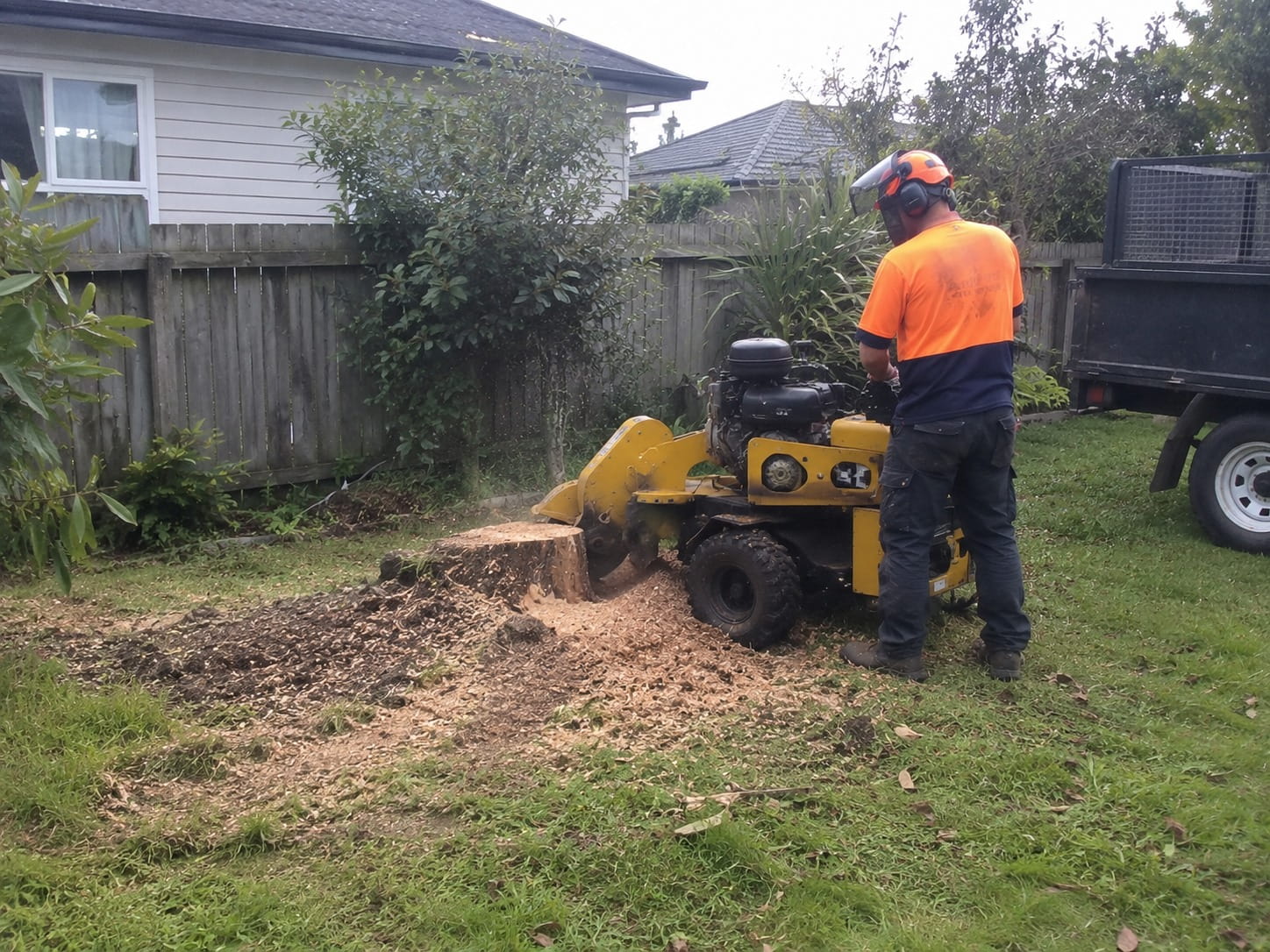 Stump Grinding
 Stump Grinding
Stumps ground out below grade so the ground is genuinely reusable — lawn, paving, deck or new planting, not a stump with bark chip around it.
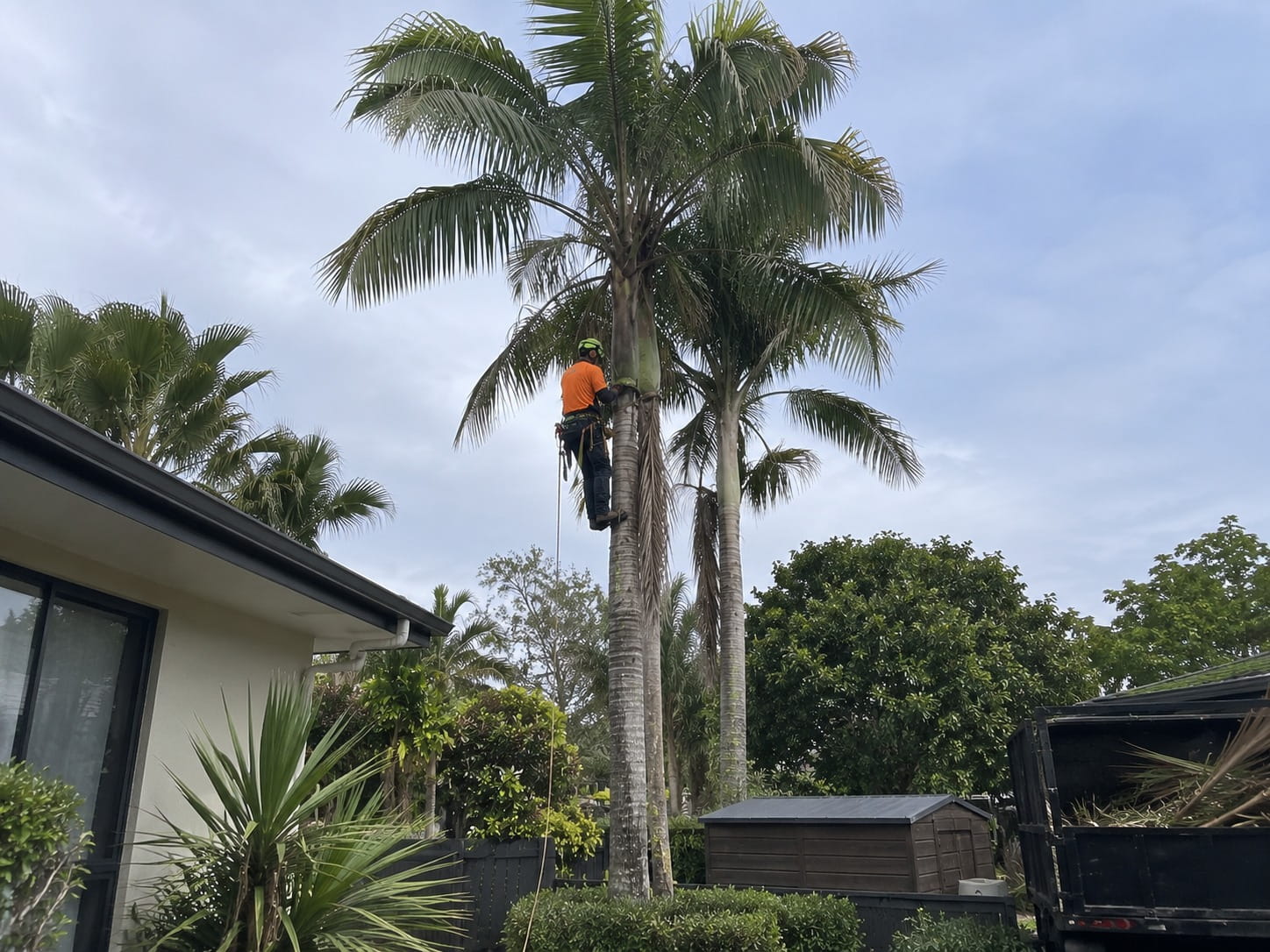 Clearing
 Tree Clearing
Overgrown sections, lifestyle blocks and development lots cleared in bulk — quoted as one project, not tree by tree.
Why Trust Our Kauri Dieback Specialists
Kauri dieback is one of the most serious threats facing New Zealand’s native forests, and preventing its spread requires strict hygiene protocols and genuine expertise. Our specialists follow best-practice biosecurity procedures on every job involving kauri, whether it’s assessment, maintenance, or removal.
- Strict adherence to kauri dieback hygiene standards
- Proper cleaning and disinfection of tools and equipment
- Careful assessment of root zones to minimise soil disturbance
- Up-to-date knowledge of current biosecurity guidelines
- Genuine commitment to protecting Auckland’s remaining kauri
Protecting these trees for future generations means treating every job with the seriousness this issue deserves. Most of that work sits in the Waitākere foothills, where our team in Titirangi works alongside kauri daily.
Frequently Asked Questions
How do I know if my kauri has dieback?
The signs owners notice first are a thinning, yellowing canopy, dead branches through the upper crown, and a gum bleed weeping from the lower trunk or root collar. Those symptoms warrant assessment, not panic. A stressed kauri is not automatically an infected one, and confirming it needs a soil test rather than a look from the driveway.
Can I remove a kauri from my own property?
Rarely without consent. Kauri are widely scheduled or otherwise protected under the Auckland Unitary Plan, and removal or significant work generally requires council approval. We start by establishing what the rules actually allow on your specific property before discussing any work.
What hygiene do you follow on a kauri job?
Footwear, tools and machinery are cleaned and disinfected before entering the site and again on leaving, we stay off the root zone wherever the job allows, and arisings are contained on site rather than carted to the next address. The pathogen moves in soil, so how the crew moves matters as much as what they cut.
Who do I report a suspected case to?
Auckland Council, and we can talk you through what they will ask for. Reporting is worth doing even when you are not certain, because early detection is what protects the trees around yours as well as your own.
Is there anything that can be done besides removal?
Often, yes. Deadwooding and hazard reduction can make a declining kauri safe to keep, and reducing soil disturbance and foot traffic around the root zone helps. Where the right call is to leave the tree alone, that is what we will tell you.