Auckland Tree Trimming
Crown thinning, lifting and reduction shaped to how the tree actually grows — not topping, which only makes the next problem worse.
Tree Trimming in Auckland
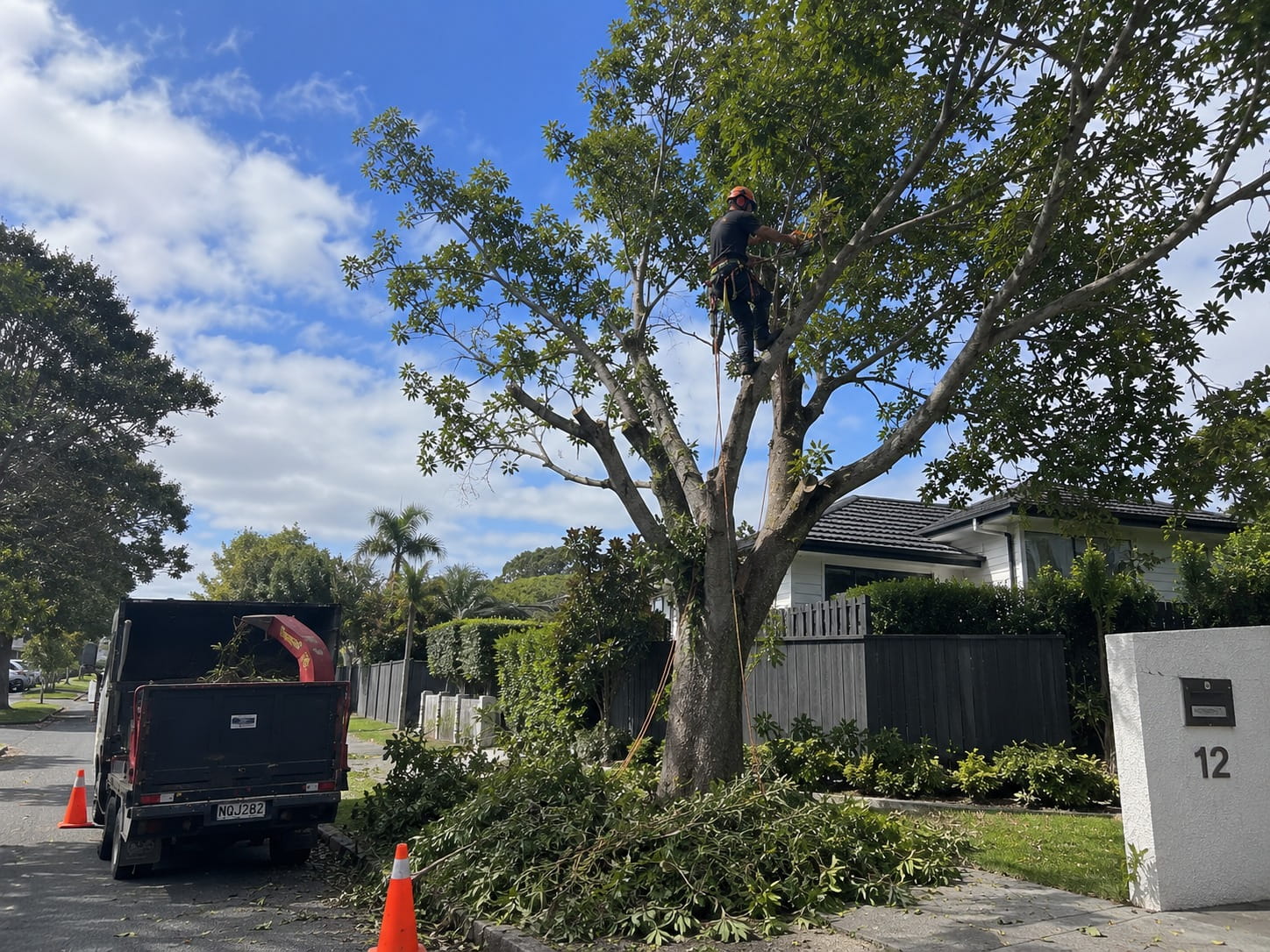
Tree trimming in Auckland is about keeping a tree in proportion to the space it sits in, and doing it in a way the tree can recover from. Most calls come down to one of three jobs: crown thinning to let light and wind move through a dense canopy, crown lifting to get low limbs clear of a driveway, roofline or footpath, and crown reduction to bring an overgrown tree back within its space without stripping it bare. What we won’t do is top a tree — cutting straight through the leaders leaves large wounds that never seal, triggers a mass of weakly attached regrowth, and turns a manageable tree into a recurring hazard within a few seasons. Timing matters too: many Auckland natives and deciduous exotics respond far better to a trim outside their peak growth flush, and we will say so if waiting a few weeks gets a better result. Trimming near power lines, over a neighbour’s boundary, or on a scheduled tree carries its own rules, so those get checked before we quote rather than discovered on the day. Every job finishes with the arisings chipped and taken away.
- Crown thinning, crown lifting and crown reduction
- Cuts made to arboricultural standard — no topping
- Clears limbs off rooflines, driveways and footpaths
- Deadwooding to remove hazard limbs over living areas
- Timing advice so the tree recovers properly
- Boundary, power line and scheduled tree rules checked first
- Arisings chipped and taken away, site left tidy
- Ongoing maintenance rounds available for larger sections
Get a Free Estimate
Tell us the height and how close it sits to the house — most palms can be quoted from a photo.
Our Tree Services Across Auckland
 Removal
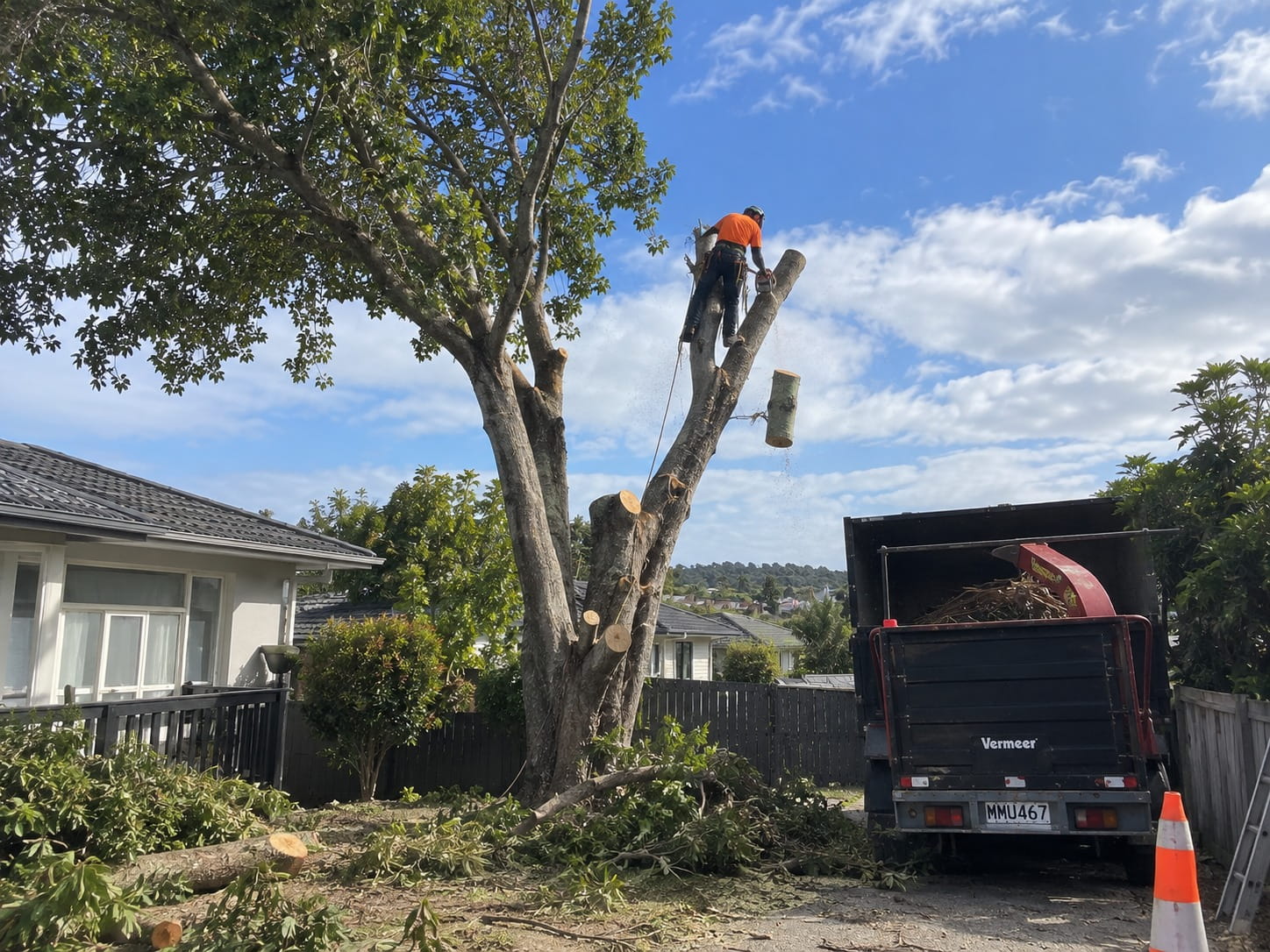
 Tree Removal
Natives, exotics and overgrown shelter trees taken down in controlled sections — with consent checked before we quote, not after.
 Branch Cutting
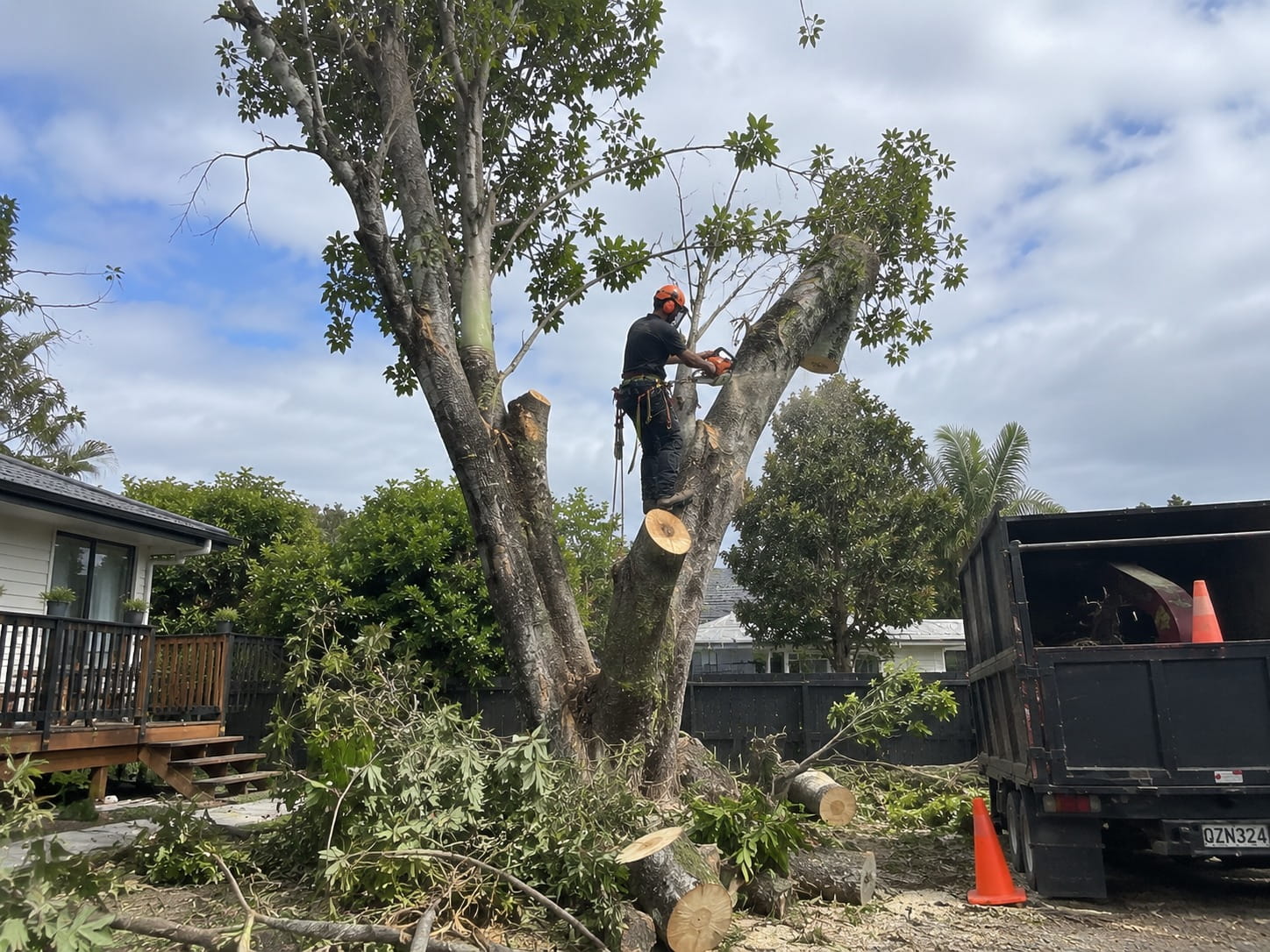
 Branch Cutting
Overhanging limbs, roof and gutter clearance and boundary overhang dealt with on their own — no need to lose the whole tree.
 Stump Grinding
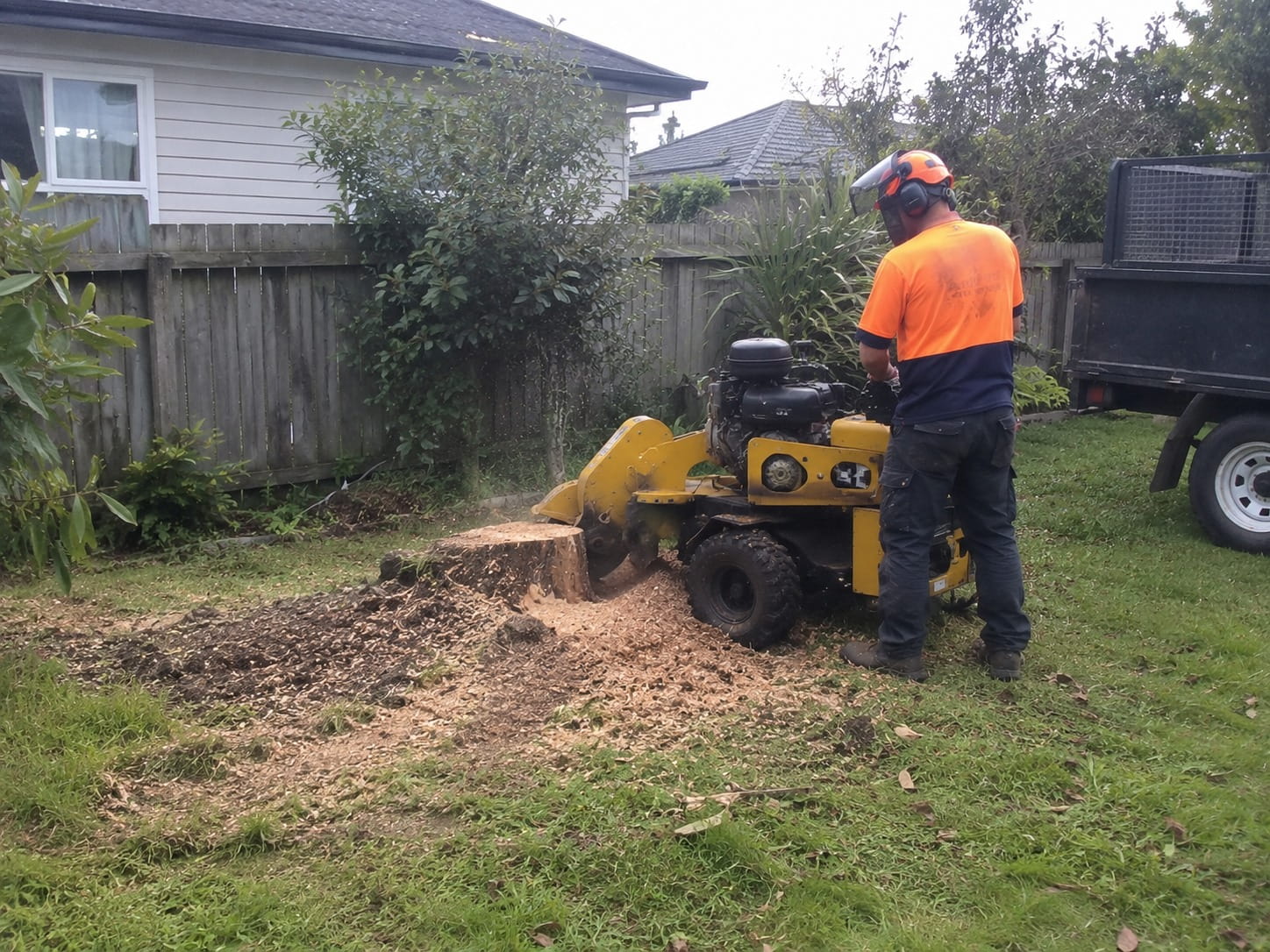
 Stump Grinding
Stumps ground out below grade so the ground is genuinely reusable — lawn, paving, deck or new planting, not a stump with bark chip around it.
 Kauri Dieback
 Kauri Dieback
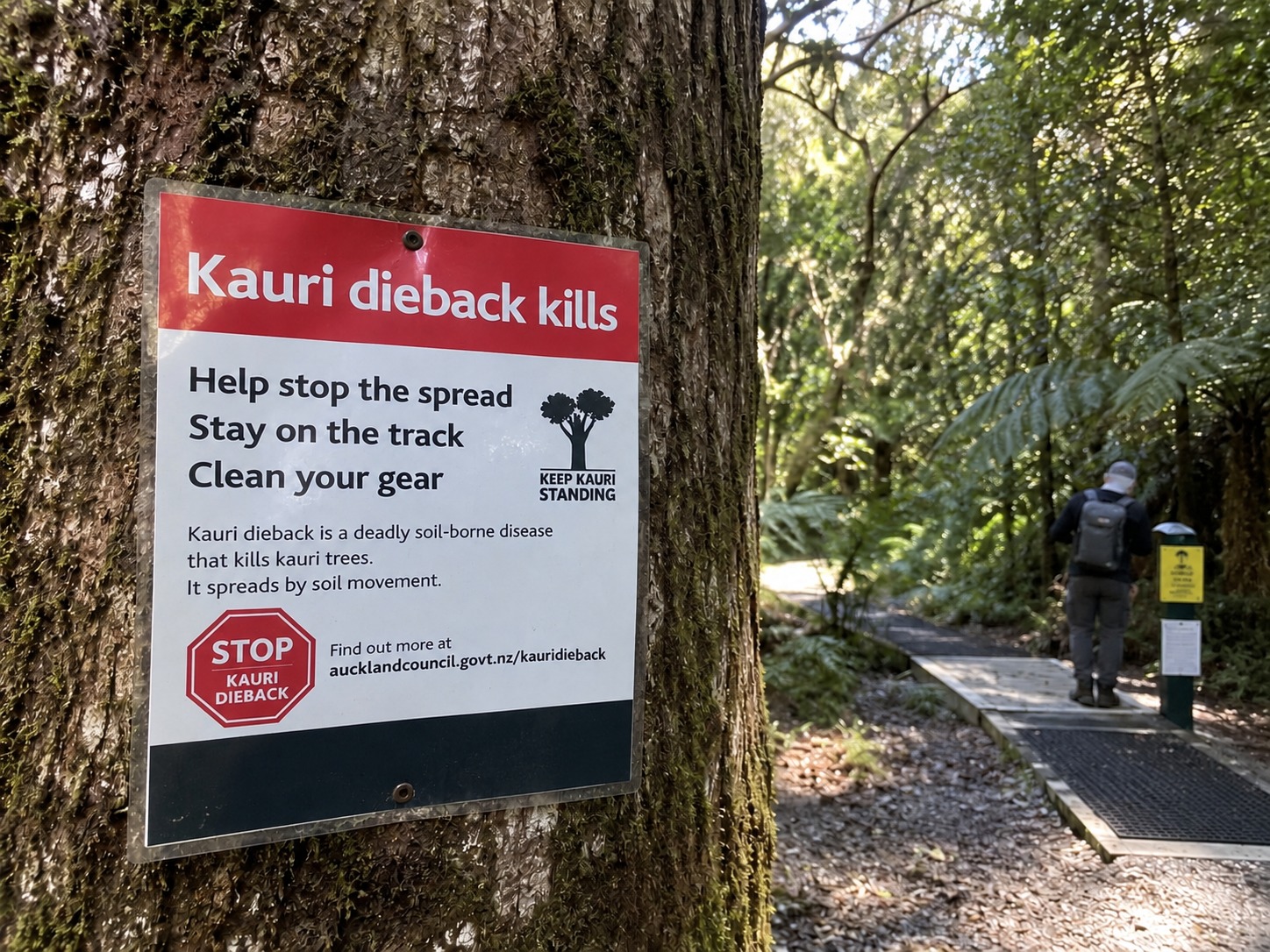
Assessment and hygiene-compliant work for kauri showing dieback symptoms — with consent and reporting handled the way kauri require.
 Clearing
 Tree Clearing
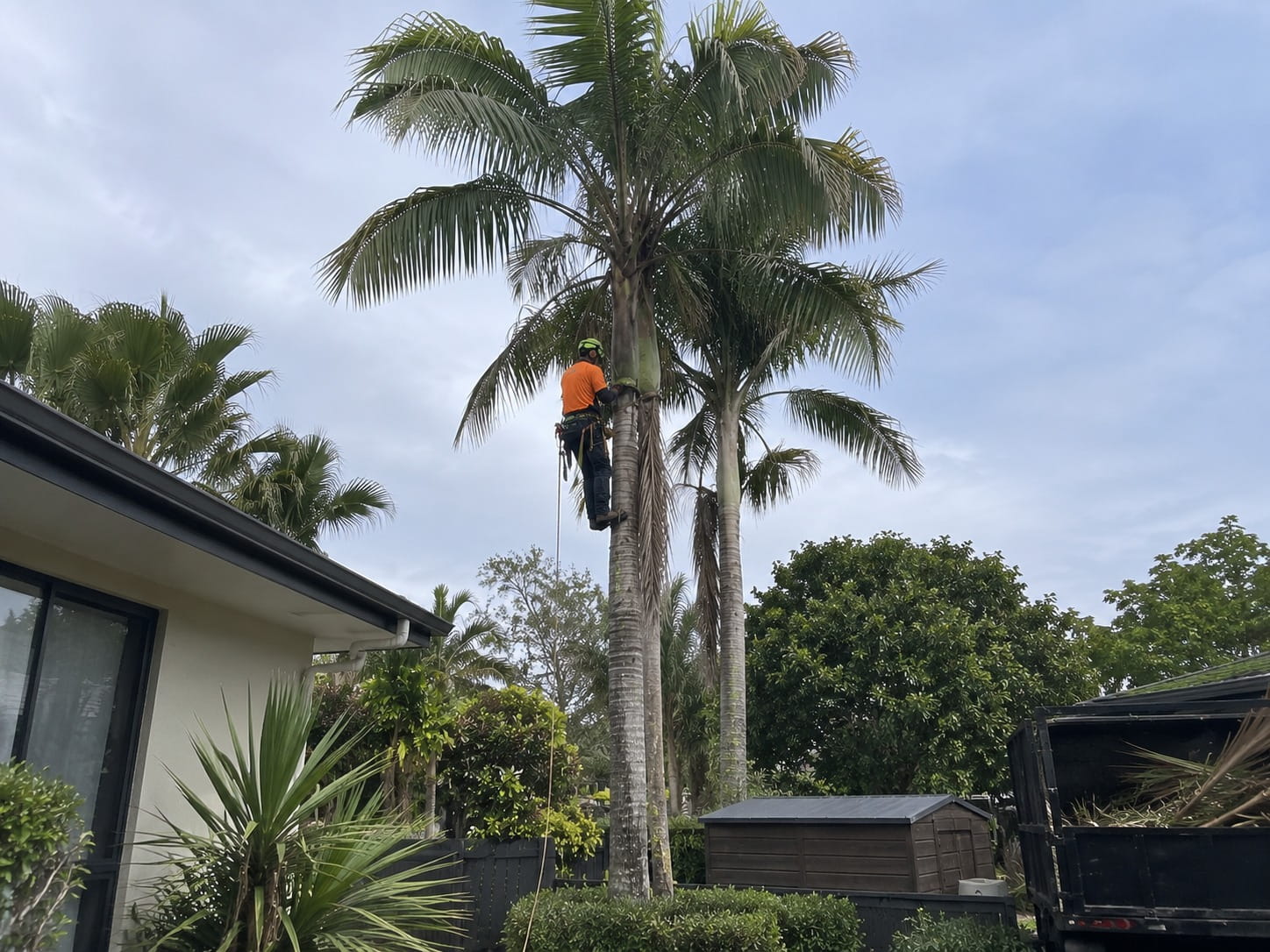
Overgrown sections, lifestyle blocks and development lots cleared in bulk — quoted as one project, not tree by tree.
Why Trust Our Tree Trimming Specialists
Good tree trimming is about more than appearance — it’s about long-term tree health, structural stability, and safety. Our specialists assess each tree individually before making a single cut, ensuring the work supports healthy growth rather than causing unnecessary stress.
- Trained in correct pruning techniques for New Zealand species
- Careful shaping that maintains natural structure and health
- Removal of dead, diseased, or crossing branches
- Equipment suited to both small gardens and tall, mature trees
- Tidy clean-up after every job
Whether it’s routine maintenance or overdue shaping, we approach every trim with the same attention to detail, protecting your trees for years to come. Street trees on the North Shore get the most attention, particularly around palm tree removal in Devonport.
Frequently Asked Questions
When is the best time of year to trim a tree in Auckland?
For most species, outside the peak spring growth flush. Deciduous trees are easiest to assess and shape once the leaves are off, and many natives respond better to a trim in the cooler months. If waiting a few weeks would get a materially better result, we will say so rather than just taking the booking.
Will trimming hurt the tree?
Not when it is done properly. Cuts are made back to the branch collar so the wound can seal, and we work within the proportion of live crown a tree can afford to lose in one visit. What does damage a tree is topping, which is why we do not do it.
Why won't you top a tree?
Cutting straight through the leaders leaves large wounds that never seal, triggers a mass of weakly attached regrowth, and turns a manageable tree into a recurring hazard within a few seasons. If a tree is genuinely too big for its space, reduction or removal is the honest answer, not topping.
How often should trees be trimmed?
It depends on species and position. A street-side tree over a footpath or driveway might need attention every two to three years, while an open-grown specimen may go much longer. We will tell you when it actually needs revisiting instead of putting you on a schedule you do not need.
Can you trim a tree that overhangs my neighbour's property?
Generally you can cut back to your boundary line, but the cut material remains your neighbour's property and a scheduled or notable tree changes the picture entirely. We check the status first and, where it helps, will talk to both parties before starting.